Skip to content

See what actually matters

Dashboards that make HubSpot easier to run

Build a cleaner, more useful reporting layer inside HubSpot so your team can see what is happening across pipeline, activity, conversion, and revenue performance without digging through scattered reports. Choose up to 5 dashboards designed around the metrics your team actually uses to manage the business.

$12,000 / 5 weeks
  • Pipeline health and deal movement visibility
  • Funnel conversion and lifecycle stage reporting
  • Sales activity and rep performance tracking
  • Manager-ready dashboards for weekly inspection
  • Cleaner reporting structure built directly in HubSpot
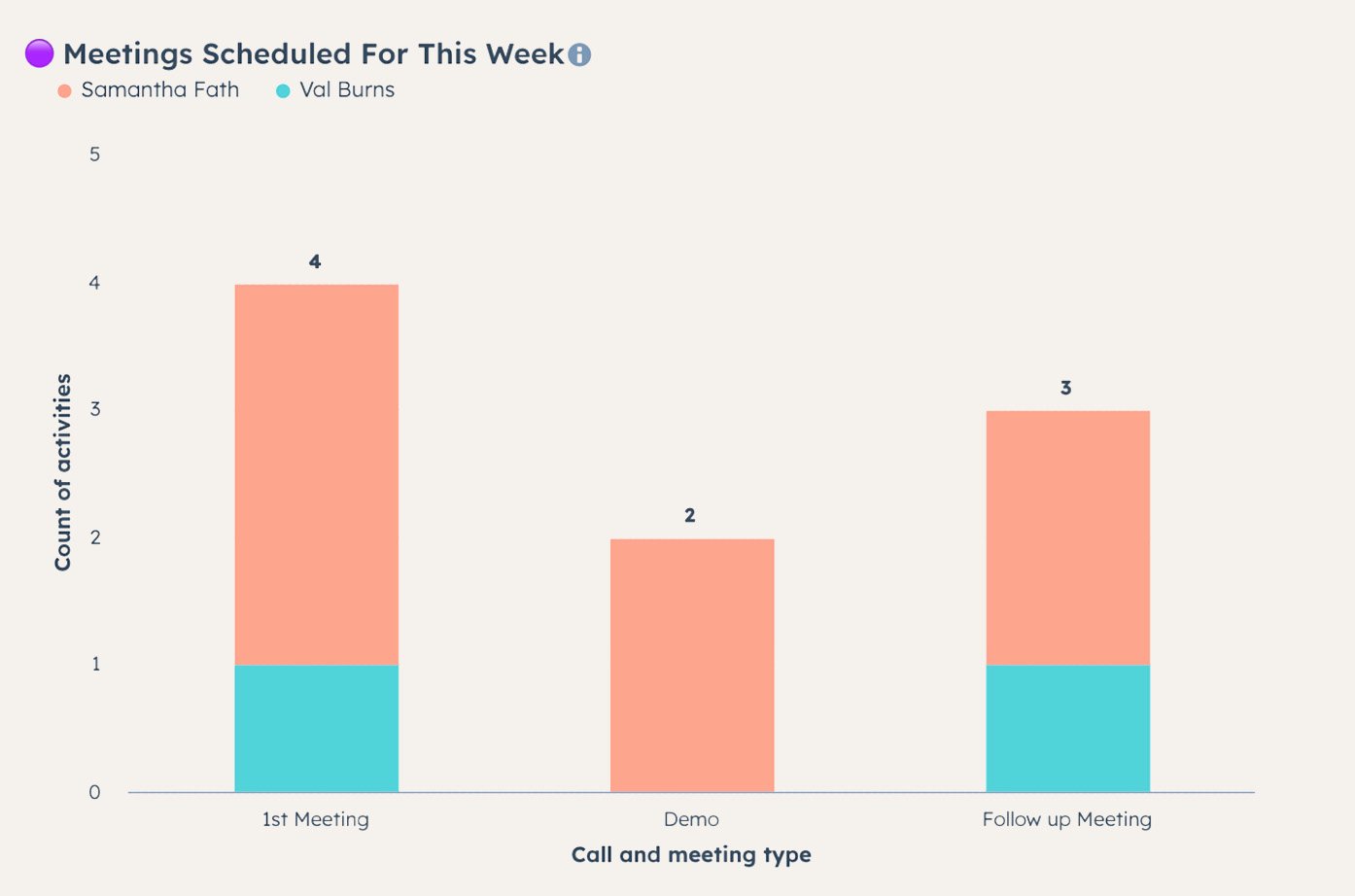
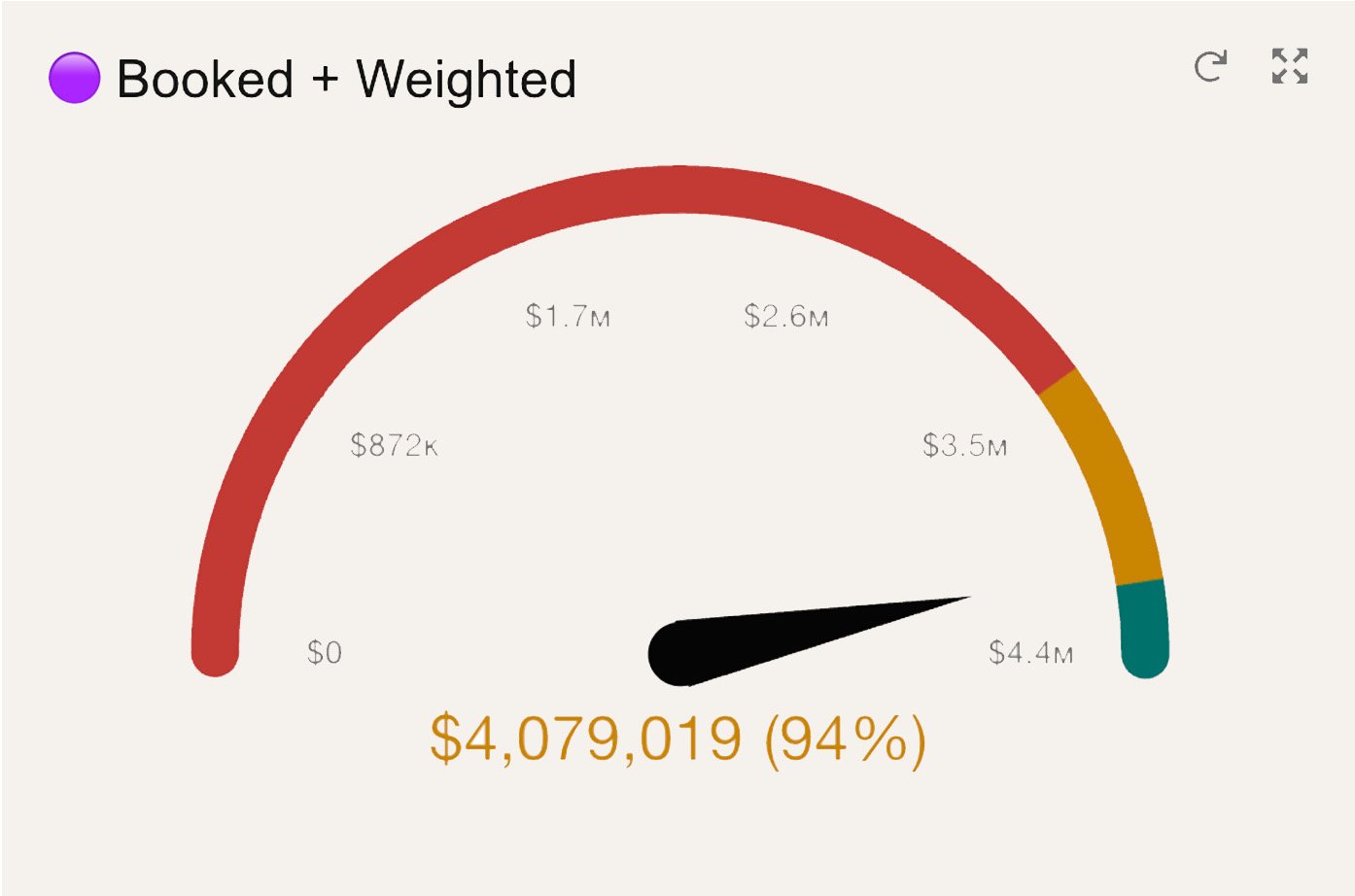
Hubspot Dashboard screenshot-3

Choose from our dashboards


3-1

Revenue Command Center

A high-level revenue snapshot built for leaders who need instant visibility into pipeline, pace, and performance. Includes:
● Total pipeline by stage and segment
● Closed-won revenue vs target
● Weighted pipeline and coverage view
● Win rate and average deal size
● Top-line trend view for key revenue KPIs


9-1

Sales Forecast Dashboard

A cleaner forecast view that helps leadership see what’s likely to close, where risk sits, and whether the team is on track. Includes:
● Commit, best case, and pipeline rollups
● Forecast by rep, team, or segment
● Coverage against upcoming targets
● Slippage and close-date risk visibility
● Trend view of forecast vs actuals


8-1

Pipeline Health Dashboard

A real-time view of pipeline quality so managers can spot gaps, bottlenecks, and weak coverage before they become forecast problems. Includes:
● Pipeline by stage, source, or owner
● Deal aging and stalled opportunity visibility
● Stage conversion and bottleneck tracking
● Open pipeline coverage against goal
● Late-stage pipeline risk indicators


11-1

Funnel Conversion Dashboard

A focused conversion view that shows exactly where leads and deals are progressing — or leaking out of the funnel. Includes:
● Conversion by lifecycle stage or deal stage
● Stage-to-stage drop-off analysis
● Volume trends across the funnel
● Rep, segment, or source-level conversion cuts
● Bottleneck visibility in core handoff points


5-1

Sales Activity Dashboard

Manager + Rep Views Included
A two-view dashboard that helps managers monitor team activity while giving reps a clear view of their follow-ups, meetings, tasks, and pipeline-building work. Includes:
● Tracks team activity, productivity, and follow-ups
● Individual activity, tasks, meetings, and next steps
● Calls, emails, meetings, and tasks by seller
● Activity trends over time
● Activity-to-opportunity output view
● Follow-up volume and consistency tracking


7-1

Quota Attainment Dashboard

A simple, high-visibility dashboard showing who is pacing to goal, who is behind, and where attainment stands across the team. Includes:
● Quota attainment by rep and team
● Closed-won revenue vs target
● Remaining gap to goal
● Pace tracking by month or quarter
● Leaderboard view for performance comparisons


6-1

Rep Performance Dashboard

Manager + Rep Views Included
A two-view dashboard for inspecting seller performance from both the manager and rep perspective. Managers can spot coaching needs, pipeline risk, and performance gaps across the team, while reps get a clear view of their own attainment, deal health, open pipeline, and next actions. Includes:
● For team performance, pipeline quality, and coaching
● Rep view for attainment, deal health, and next steps
● Rep-by-rep pipeline and attainment view
● Win rate and average deal size by seller
● Deal progression and stage movement trends
● Stalled deal and weak pipeline visibility


2-1

Source-to-Revenue Dashboard

A full-funnel view of which channels are actually driving qualified pipeline and closed-won revenue. Includes:
● Leads and deals by original source
● Conversion from source to opportunity
● Closed-won revenue by channel
● Cost-efficiency or source quality comparisons
● Pipeline contribution by campaign or source bucket

Stop reporting on revenue. Start seeing what's happening.

Most growing companies aren't short on data. They're short on clean, useful visibility.

There are CRM reports, spreadsheets, rep trackers, board slides, forecast tabs, activity summaries, and a handful of dashboards that looked helpful when they were first built. But when leadership needs a clear answer, the team still ends up digging, exporting, explaining, or debating what the numbers actually mean.

The problem isn't a lack of dashboards.

The problem is that too many dashboards are built around a lot of available data instead of the metrics and KPIs that actually matter.

Sales leaders need to know where pipeline is healthy, where deals are slipping, and which reps need support. Revenue leaders need confidence in forecast movement. Marketing needs to understand which sources are creating real opportunities. Operators need to see whether the process is being followed or quietly worked around.

When that visibility is missing, small issues stay hidden too long. Pipeline risk shows up late. Forecast reviews become story time. Managers coach from anecdotes. Teams spend more energy interpreting reports than acting on them.

That matters because the pressure to make data-backed decisions is only increasing. Salesforce research found that 76% of business leaders feel growing pressure to support their arguments with data, yet confidence in data accuracy has declined by 27% since 2023. The same research found that 90% of leaders say direct access to the data they need, inside the tools they already use, would help them perform better.

Sales teams feel that drag too. Salesforce reports that sales reps spend 60% of their time on non-selling tasks, including CRM updates, searching for information, and chasing internal approvals. Sellers also use an average of 8 tools to close deals, and overwhelmed sellers are 45% less likely to hit quota.

Better dashboards make the business easier to run.

A good dashboard doesn't just display numbers. It helps the team make better calls faster.

The Sales & Revenue Dashboards package gives your team a cleaner way to inspect pipeline, forecast, performance, activity, funnel movement, and source-to-revenue impact without building another maze of disconnected reports.

We design and implement dashboards around the questions your revenue team actually needs to answer. You choose the dashboards that matter most, and we build them in a way that is practical, usable, and aligned to how your business already operates.

The result isn't more reporting clutter. It's a sharper view of revenue performance, built so leaders can spot risk earlier, manage with more confidence, and stop running the business from half-trusted spreadsheets.

Trusted by operators, leaders, and teams with revenue systems to improve

You might be wondering...

What’s included in the dashboard package?

The package typically includes 5 dashboards built around the reporting views your team actually needs to run the business. That might include pipeline, forecast, funnel conversion, rep activity, lifecycle, or manager visibility dashboards depending on your setup. If you need more than 5, we can absolutely add them, but additional dashboards are scoped and priced separately.

Do you build dashboards in both HubSpot and Salesforce?

Yes. We build dashboard packages in both HubSpot and Salesforce, with the reporting logic tailored to how each platform works. For example, a HubSpot build may lean more heavily on lifecycle and funnel reporting, while a Salesforce build may focus more on pipeline, forecast, and manager inspection.

Do you fix the underlying CRM data too?

No, this package is specifically for dashboard design and build, not broader CRM cleanup or data remediation. For example, if your lifecycle stages are messy or your opportunity data is inconsistent, that would typically sit outside the dashboard package scope. We do offer other solutions that can help address those underlying system issues when needed.

How customized are the dashboards?

The dashboards are customized to an extent, but they are not built from scratch as fully bespoke reporting projects. Each dashboard package is structured around a pre-determined number of reports covering the metrics and views that tend to matter most to growing companies, then tailored to your CRM setup and leadership needs. For example, a pipeline dashboard may include a defined set of core reports around coverage, stage mix, deal aging, and conversion, rather than unlimited custom reporting requests.

How long does implementation usually take?

Most dashboard packages are implemented in about 5 to 6 weeks, assuming your requirements are clear and feedback moves quickly. Simpler builds can land faster, while more nuanced reporting logic may push toward the longer end of that range. For example, a straightforward 5-dashboard HubSpot package may move quickly, whereas a more layered Salesforce setup with multiple stakeholders may take a bit longer.

Ready for liftoff?